What Buyers Need to Know Before Purchasing a Reman Lorry?
Intro
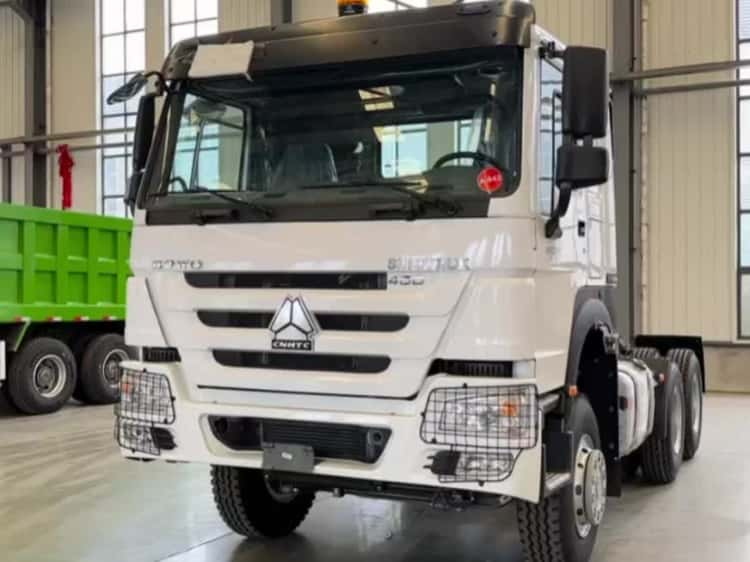
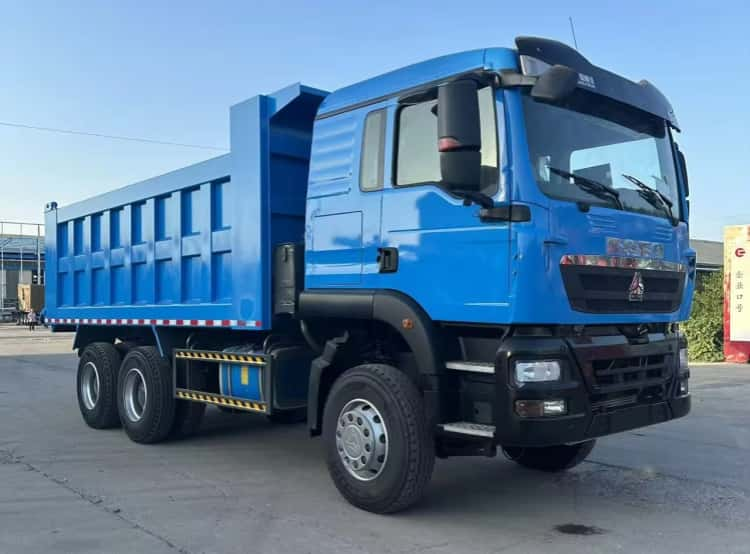
Purchasing a reman lorry for sale can deliver excellent value for haulage, construction and mining fleets, but the market is full of inconsistent labelling and hidden shortcuts. Many buyers only compare upfront prices, overlooking key differences between genuine certified reman, basic overhaul and cosmetic refurbishment.
A low quote may look appealing at first, yet it can lead to costly breakdowns, invalid warranty claims and shortened service life. Before signing any purchase contract, buyers need a clear checklist to verify what they are actually buying. This guide walks through the essential questions and verification points aligned with the REMAN ROAD framework, helping you separate trustworthy lifecycle-reset assets from high-risk patched-up units.
Confirm What “Reman” Actually Means in the Supplier’s Scope
The first step is to break down the supplier’s definition, because the word “reman” carries no universal legal definition in many markets. Ask for a written scope of work. REMAN ROAD certified reman lorry for sale requires full vehicle teardown, component grading, mandatory scrap rules for fatigued safety parts, NDT inspection and integrated system testing.
If the supplier only rebuilt the engine or repainted the cab while leaving the frame, suspension and brake systems uninspected, this is not full remanufacturing — it is a partial rebuild or refurbishment. Avoid vague language such as “reconditioned”, “repaired” or “fully checked”. Push for documented compliance against a recognised standard, and confirm whether the certification covers the whole vehicle or only individual assemblies.
Review the Core Asset History and Intake Screening Records
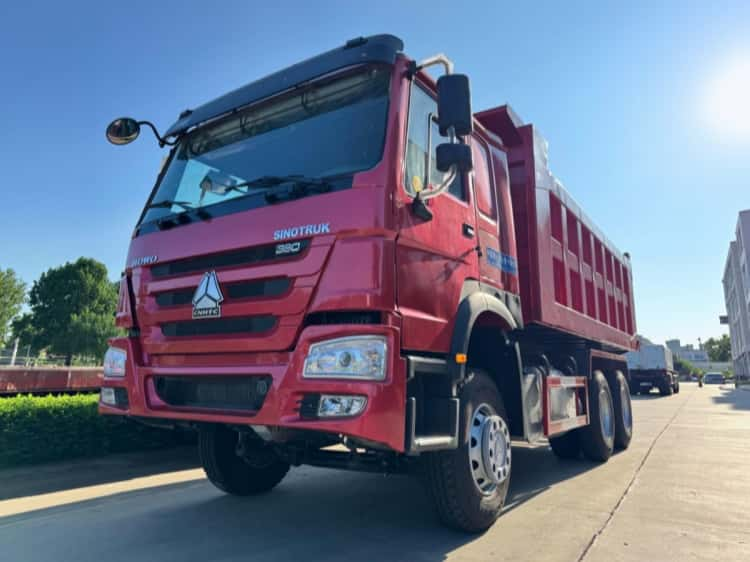
Every reman lorry for sale starts with a retired core, and the core’s background directly determines its long-term safety and reliability. Request records of the original unit: prior accident history, fire exposure, corrosion exposure, previous heavy overloading and major modification logs. Units involved in rollovers, cabin fires or long-term chemical exposure are high-risk even after repairs.
Heat damage alters metal microstructure, while hidden frame fatigue cannot always be spotted by visual checks alone. Trustworthy suppliers keep intake audit forms and initial NDT scan reports on file. If a seller cannot provide any background documentation for the core, treat it as a major red flag.
Inspect Component Grading, Scrap Policy and Test Proofs
A reliable reman workflow is built on strict part grading rules: reusable, repairable or mandatory scrap. Unethical operators frequently reuse worn bearings, pitted gears and fatigued suspension pins just to cut costs.
Ask to see component grading sheets, bench test reports for engine, transmission and axles, plus NDT results for the chassis frame and critical castings. Bench test certificates should record load conditions, pressure stability, leak checks and performance thresholds matched to OEM specifications.
Remember: individual component bench tests are necessary, but not enough. A fullcertified reman lorry for sale also requires complete system integration testing after reassembly
Read Warranty Terms Carefully and Understand Exclusions
Warranty is one of the easiest places for buyers to get caught out. Many low-grade suppliers offer a short warranty with broad exclusions. Check three key points: the total warranty duration, whether coverage applies to the whole vehicle or only rebuilt parts, and what conditions void the agreement.
Common exclusions include overloading, poor maintenance, off-road heavy mining use and cross-border operation. Under REMAN ROAD, valid warranty ties directly to the full traceability file. Confirm whether the warranty can be honoured by service partners in your operating region, not just at the supplier’s home workshop.
Verify Traceability and Transferable Certification
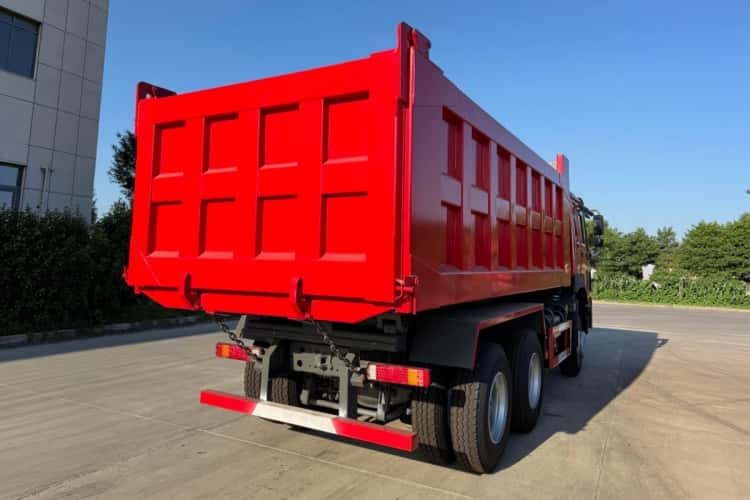
Certification is only useful if it travels with the lorry. Ask for a complete asset traceability package: serial numbers of retained and replaced parts, test logs, inspector sign-offs and a unique certification ID. This file matters for resale, customs clearance, fleet asset accounting and ESG reporting.
If the certification cannot be transferred to you as the new owner, or if records are incomplete, the value of that “reman lorry” label drops significantly. For cross-border buyers, this documented trail is also critical to avoid customs classification disputes.
Match the Reman Lorry to Your Operating Duty Cycle
Not all reman lorry foe sale are built for the same workload. A unit remanufactured for light highway haulage may fail quickly in continuous mine or quarry operation.
Share your operational requirements clearly: typical payload, road conditions, daily running hours, climate and terrain. A responsible supplier will confirm whether the reman build specification, cooling system, suspension and braking setup suit your use case. Buying a well-certified reman lorry for sale that is mismatched to your duty cycle will still lead to premature wear and higher TCO.
Closing
Buying a reman lorry is not just a price comparison exercise. Savvy buyers verify the definition of reman, audit the core history, demand test evidence, unpack warranty fine print and confirm traceable certification before committing.
When you follow these checks aligned with standards like REMAN ROAD, reman lorry for sale become a predictable, cost-effective circular asset. Without these verifications, you risk paying for a label rather than a properly reset heavy vehicle.