Key Benchmarks to Identify Genuine Reman Trucks
Introduction
The market for heavy duty reman trucks is crowded with confusing labels. Terms like rebuilt, overhauled, refurbished and reman are often used interchangeably by sellers. To fleet procurement teams, this creates costly risk: paying the premium for genuine reman, only to receive a truck that has had worn parts patched up and given a fresh coat of paint.
Genuine reman trucks under REMAN ROAD is defined by measurable, auditable benchmarks, not marketing language. These checkpoints let buyers objectively separate properly lifecycle-reset assets from superficial repairs.
Complete teardown and component-level inspection record
A core foundational benchmark: genuine reman trucks requires full disassembly down to individual critical components. It does not stop at removing the engine or opening a gearbox. Every load-bearing and functional part is separated, cleaned and individually evaluated.
Partial teardown — where only faulty assemblies are opened while the chassis, axles or suspension remain intact — is a clear sign of overhaul, not standard reman. Buyers should request proof: inspection logs linked to serial numbers, photos from disassembly and cleaning stages, and component grading sheets.
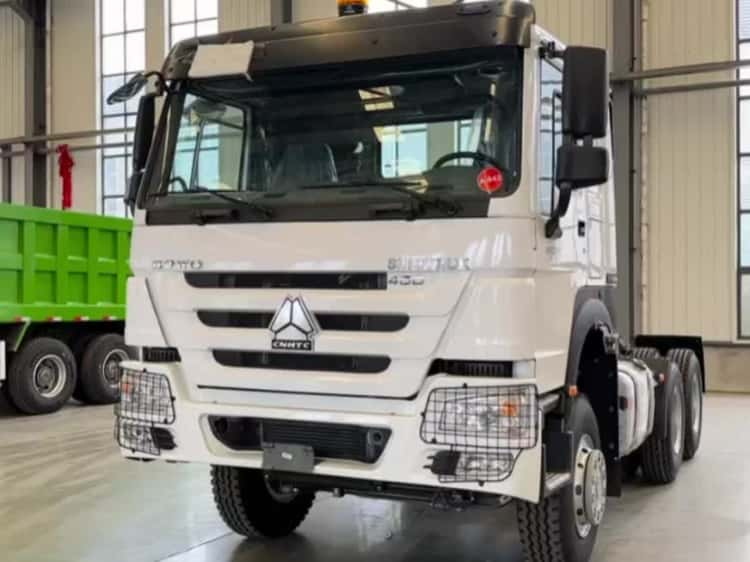
Core qualification and fatigue-limit assessment
genuine reman trucks starts with core acceptance rules. The supplier must document the incoming core’s service history, mileage, overload exposure, accident record and prior field repairs. Critical components including frame rails, axles, crankshafts and steering parts are tested against fixed fatigue and wear thresholds.
A part that still works today but has exhausted most of its design fatigue life is rejected, even with no visible damage. Informal rebuilds only replace broken parts; they rarely assess remaining fatigue margin. This is one of the most reliable distinguishing benchmarks.
Mandatory non-destructive testing (NDT) for safety-critical parts
Visual inspection alone is never sufficient for genuine reman. Genuine reman programs schedule formal NDT on high-stress components: chassis frame, crossmembers, axle housings, steering knuckles and engine crankshafts. Ultrasonic testing, magnetic particle inspection or dye penetrant testing is used to catch subsurface microcracks and hidden corrosion.
Each test result is timestamped and attached to the unit’s traceability file. If a seller cannot produce NDT reports for structural assemblies, the unit cannot qualify as genuine reman trucks .
Repairs and rework bounded by formal engineering limits
Reuse and rework are permitted, but only within published, fixed specifications. Machining, straightening, welding and reinforcement follow approved procedures with clear maximum repair limits. No ad-hoc modifications, unapproved weld patches or over-sized reinforcements are allowed.
Any rework must preserve original design load distribution and OEM-equivalent performance. Low-quality rebuilds frequently make arbitrary repairs to “get it working”, with no written limits or post-repair re-verification.
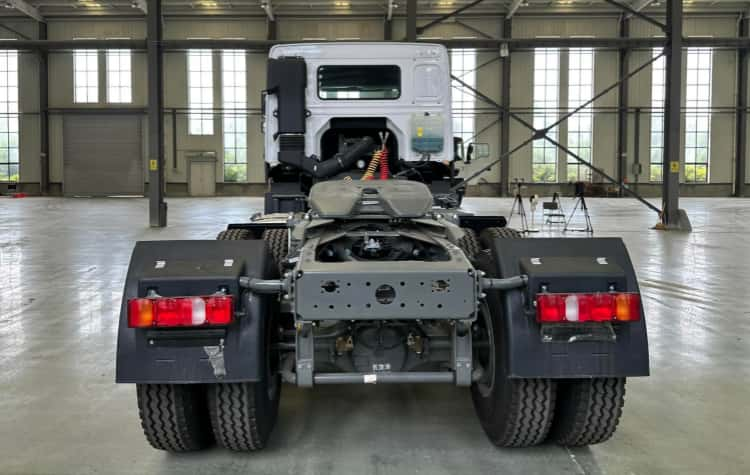
System-level performance validation, not individual part testing
After reassembly, genuine reman trucks undergo full functional testing as an integrated system, not just a quick run to confirm no leaks. Bench testing, load cycling, pressure tests, brake validation and emissions checks are completed and recorded.
The target is new-equivalent performance across the whole vehicle, not merely that replaced components function. If the only test evidence is a short test drive around the yard, this benchmark has not been met.
End-to-end unit traceability and component genealogy
Every genuine reman trucks carries a complete traceability trail from core intake through delivery. The log identifies which parts are reused, reworked or replaced with new or certified reman alternatives.
Each quality gate, technician sign-off, test report and rework event is linked to the unique vehicle identifier. This genealogy is what makes the reman claim auditable for customs, fleet auditors and ESG reporting. Vague records, batch-only logs or missing component histories are red flags.
Standardised warranty aligned with reman lifecycle reset
Warranty terms offer another practical benchmark. Genuine reman trucks warranties reflect a reset service life, consistent across the supplier’s reman range. It covers the whole remanufactured assembly or vehicle, not just the few parts that were swapped out.
Short, limited warranties that only cover replaced components are typical of repair or overhaul work. Buyers should compare warranty scope and duration against the published reman standard, not accept verbal promises.
Independent third-party audit or standard alignment
Genuine reman is not self-certified in a loose sense. The genuine reman process workflow, checkpoints and documentation are built to an established standard such as REMAN ROAD, and subject to periodic third-party audit. Sellers should be able to show how their process maps to the standard’s requirements.
A seller who cannot reference a formal genuine reman process framework, and relies only on internal workshop rules, is offering unvalidated rebuild work.
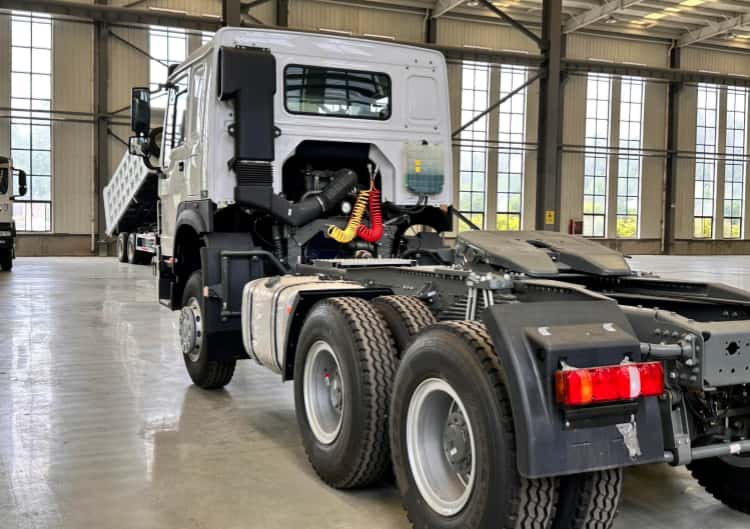
Quick checklist of red flags for non-genuine reman
- No full teardown records, only photos of finished trucks
- No NDT reports for frame and structural components
- Parts replaced based only on visible damage, not fatigue assessment
- Patch welding and frame reinforcement with no formal procedure documentation
- Warranty only covers newly fitted spare parts
- No serialised traceability file for the individual vehicle
- Seller cannot distinguish reman from overhaul in writing
Closing
Genuine reman process is not defined by a badge, a nameplate or a fresh paint job. It is validated through objective benchmarks: full disassembly, core fatigue screening, NDT, controlled rework limits, system performance testing, traceability, standardised warranty and auditable process rules.
For fleet buyers, using these benchmarks turns subjective marketing claims into verifiable criteria, helping avoid risky low-grade rebuilds and capture the true safety, TCO and circular value of genuine reman trucks.