Remanufacturing 101: The Core Concept of Whole-Vehicle Lifecycle Reset
Introduction
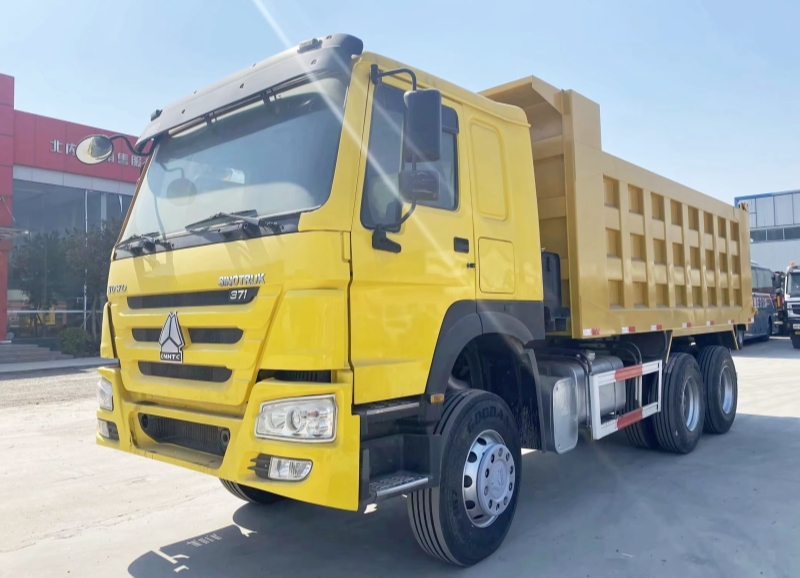
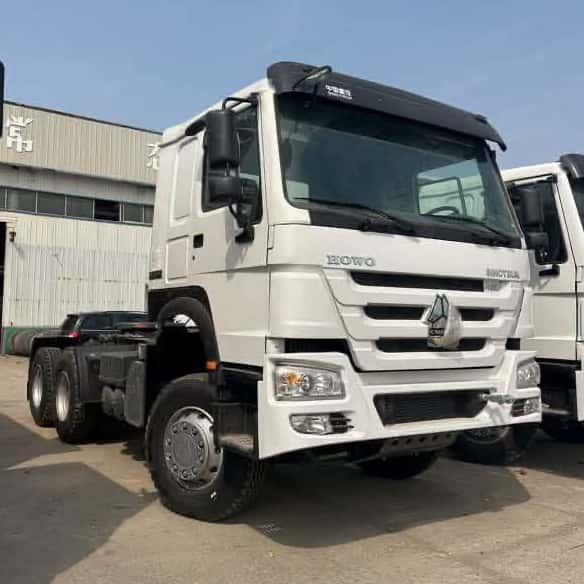
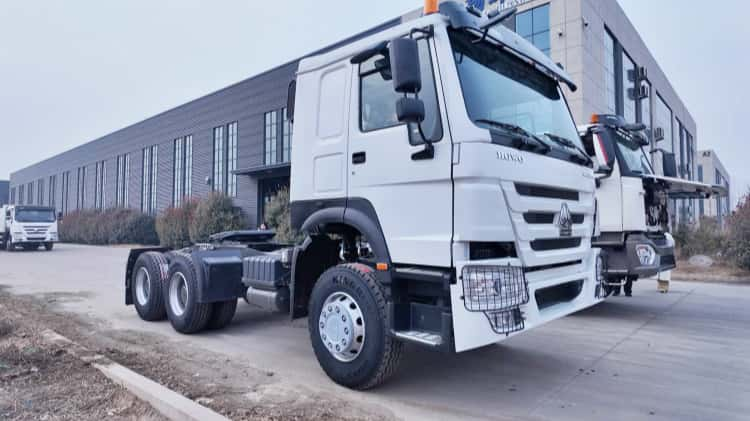
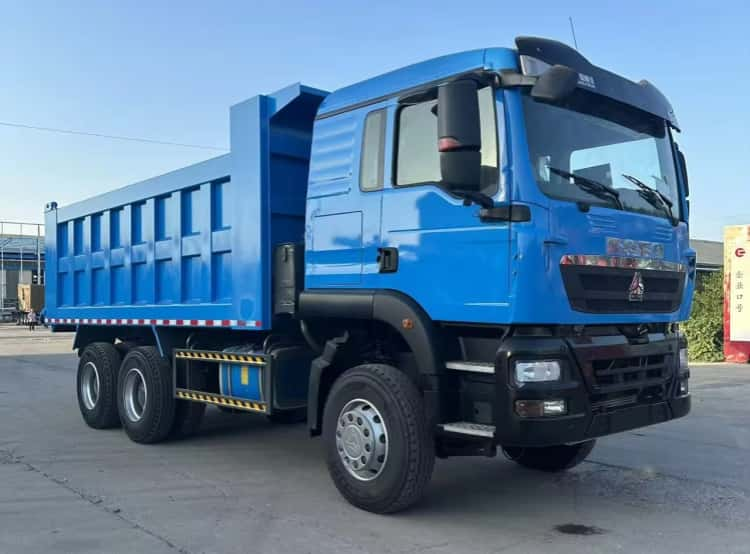
When we talk about remanufacturing for heavy commercial vehicles, the core idea revolves around the whole truck as one complete asset. The central concept is whole-vehicle lifecycle reset. Every step of the industrial reman process is planned around the integrated truck, its safety structure, interconnected systems and overall operating performance.
REMAN ROAD builds its standard remanufacturing framework on this vehicle-centric logic. The goal is not to refresh separate parts, but to renew the entire truck and grant it a predictable new service cycle.
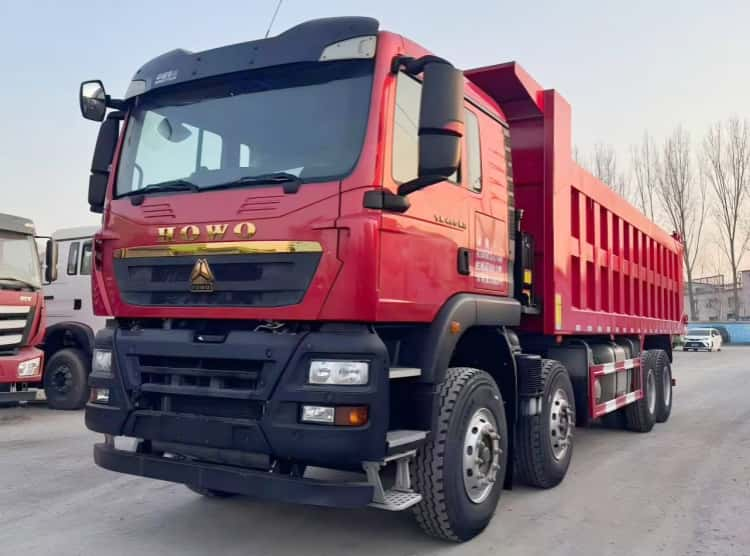
What is Whole-Vehicle Lifecycle Reset?
Whole-vehicle lifecycle reset is a standardised industrial reman process applied to an eligible retired heavy truck. The truck is treated as a single integrated asset. It goes through systematic structural verification, full system disassembly and inspection, graded component renewal, controlled reassembly, integrated functional validation and full documentation.
Once finished, the truck exits the process with reset reliability, safety and performance, ready for a brand-new lifecycle of fleet operation. This reset targets the full vehicle state. It establishes clear expected service life, consistent performance benchmarks and formal whole-vehicle coverage, rather than improving only one local part of the truck.
The vehicle as an integrated system (core perspective)
Every system on the truck works in coordination: frame, cab structure, powertrain, suspension, steering, braking, after-treatment and electrical networks. None of these systems operate in isolation. In whole-vehicle remanufacturing, inspection and restoration follow the logic of system matching.
Even if every single component looks acceptable on its own, mismatched calibration, uncoordinated system response or hidden ageing across linked subsystems will compromise the overall performance of the truck. All inspection, renewal and testing activities are arranged to guarantee harmonious operation of the complete vehicle. This is the fundamental difference between vehicle-level reman and isolated component processing.
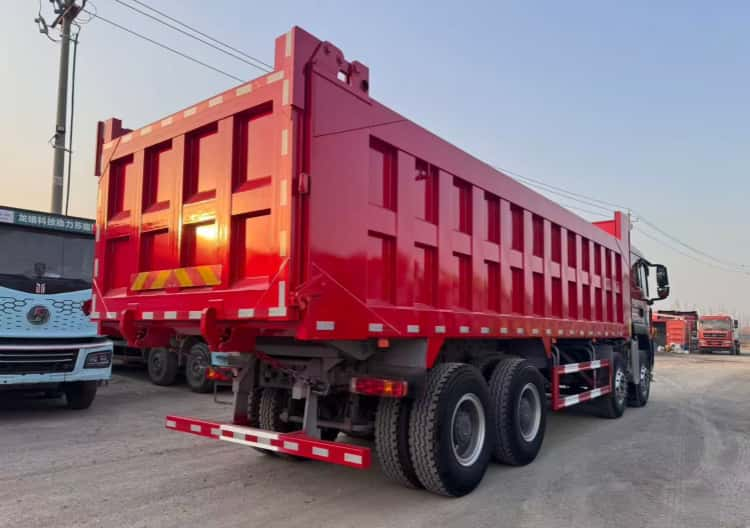
Basic prerequisites for whole-vehicle lifecycle reset
Not every retired heavy truck qualifies for lifecycle reset. The whole vehicle must pass vehicle-level eligibility assessment at the very beginning.
- Full review of the truck’s operational history: collision, overloading, fire, water immersion and previous structural repairs
- Frame inspection: dimensional check, corrosion measurement and NDT testing on all load-bearing sections and welds
- Cab structural inspection: rollover protection structure, mounting points and key pillar integrity
Only trucks with sound, repairable primary structures move forward into the industrial reman process. Any truck with irreparable structural damage is directed to material recycling.
How the industrial reman process delivers lifecycle reset?
The entire industrial reman process is designed around the complete truck:
- The qualified truck is disassembled by major vehicle systems for deep cleaning and uniform grading of all components
- Parts are sorted into reusable, restorable and mandatory-replacement groups following unified standards
- Eligible structural parts are restored to OEM specifications and re-verified
- The truck is reassembled in factory sequence, with cross-system calibration and matching
- Full vehicle validation includes static checks, dynamometer testing and loaded road testing to confirm overall performance
- Complete traceability records and whole-vehicle warranty are issued for the reset truck
Every checkpoint is used to confirm that the integrated vehicle meets the standard for a new lifecycle.
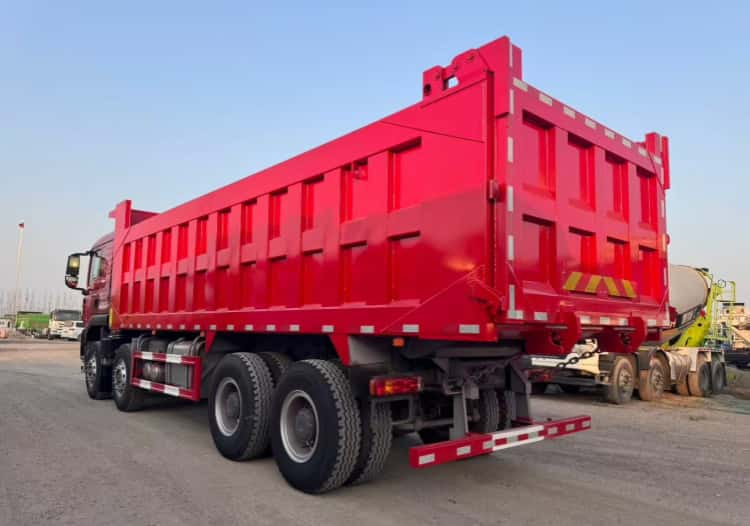
Value of whole-vehicle lifecycle reset for fleets
Fleets gain predictable, stable assets from vehicle-level lifecycle reset. A qualified reman trucks delivers consistent overall reliability across all its linked systems. Fleet managers can plan TCO and maintenance schedules based on its reset lifecycle.
Compared with purchasing new trucks, qualified reman trucks lowers upfront capital investment. At the same time, preserving the intact vehicle structure reduces raw material consumption and embodied carbon, supporting circular economy targets.
REMAN ROAD’s role in whole-vehicle lifecycle reset
REMAN ROAD defines lifecycle reset from the complete truck perspective. It sets unified vehicle-level process gates and acceptance criteria. These remanufacturing standards create a shared baseline, so suppliers, fleets and auditors judge remanufacturing quality by the state of the whole vehicle, rather than individual component condition. It aligns stakeholders across global markets on what a properly reset heavy truck is.
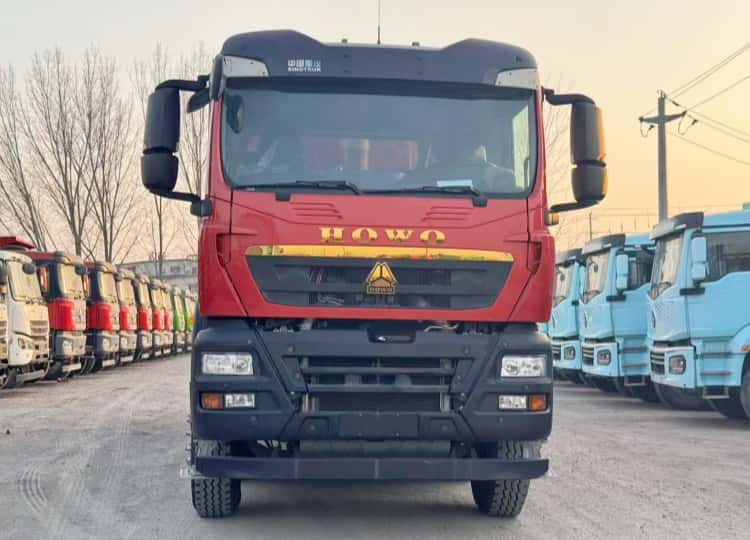
Closing Summary
Whole-vehicle lifecycle reset is the core of standardised heavy vehicle remanufacturing. The entire process centres on the truck as one integrated asset. Through structural qualification, system-wide renewal, cross-system matching and full-vehicle validation, an eligible retired truck is reset into a new reliable service cycle. This vehicle-first principle is the foundation of REMAN ROAD standards and credible reman practice for global fleets.