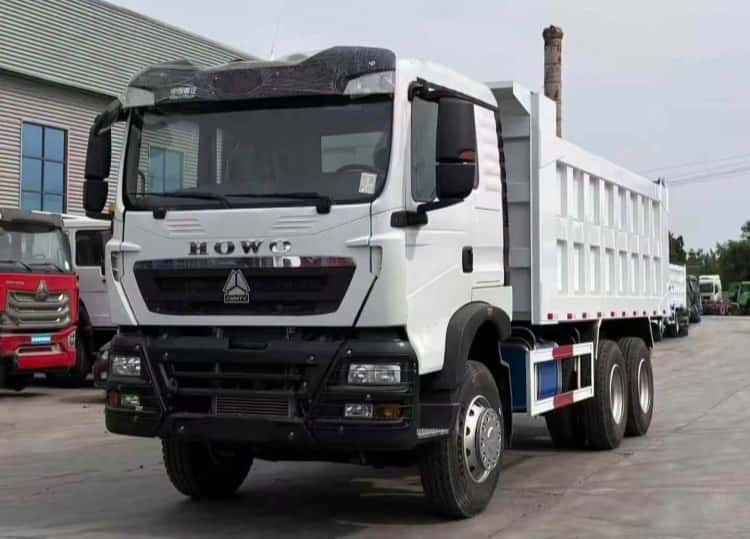
Qualified Reman Truck Cab, Engine & Chassis Inspection Guide
Introduction
Visual appearance cannot validate genuine qualified remanufacturing. This guide focuses on three core assemblies: cab, engine and chassis. It separates cosmetic restoration from qualified reman truck quality requirements, and can be used by fleet procurement teams, third-party surveyors and factory QA inspectors.
Genuine qualified remanufacturing requires structural integrity, verified performance, complete traceability and documented testing. Simple surface repainting, partial cleaning and minor part replacement do not meet qualified reman truck standards.
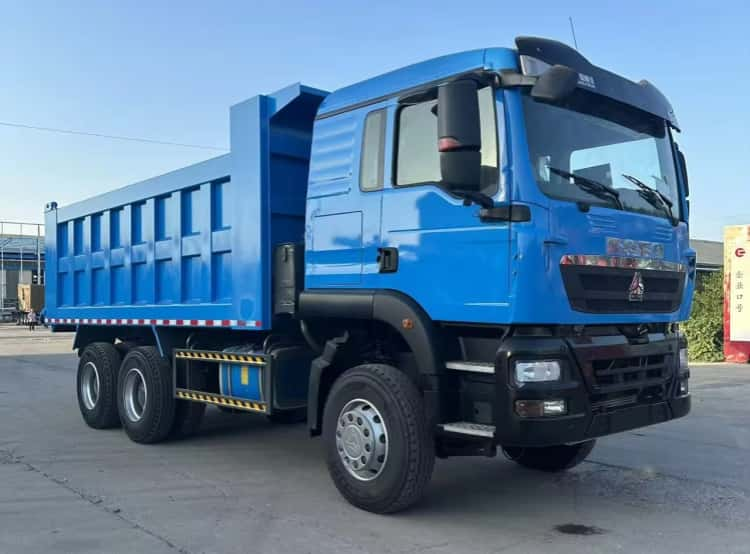
Cab Inspection Guide
The cab inspection covers structural safety, integrity of the cab shell, electrical systems, hydraulic tipping mechanism and interior function. The highest priority is crash safety structure, not cosmetic finish.
Structural shell inspection
- Check cab skeleton, A/B pillars, roof frame, rear wall and floor for collision damage, cracks, cut or rewelded sections.
- NDT inspection on any repaired welded joints on cab frame; reject units with unapproved makeshift structural welding.
- Measure floor panel corrosion: any perforated or heavily thinned floor metal must be repaired or replace the cab shell.
- Check cab mounting brackets and hinge points for fatigue cracks and deformation.
- Cab tipping frame and pivot pins: no bending, excessive wear or cracked welds.
Tipping hydraulic system inspection
- Test cab lifting pump, hydraulic cylinder, hoses and seals for oil leakage.
- Verify smooth lifting and locking; check safety lock function to prevent accidental cab drop.
- All aging hydraulic hoses and seals must be replaced with new OEM-spec components in certified reman.
Electrical, dashboard & interior functional test
- Full wiring harness inspection: no cracked insulation, chafing or makeshift spliced wiring. All wiring fixed with proper clips.
- Dashboard, instrument cluster, warning lights, ECU communication, lighting, horn, wiper and air conditioning full functional test.
- Seat, seat belt, door locks, windows, mirrors and rubber seals function test.
- Check airbags and restraint system if originally fitted; record component serial numbers into traceability file.
Exterior coating & corrosion protection
- Old paint and rust removed from metal joints and hidden crevices, not just top-side paint over rust.
- Inspect paint film thickness and adhesion; no bubbling or blistering at weld seams and edges.
- Drainage holes in cab floor and door cavities must be clear and unblocked.
Cab documentation checklist
- Cab shell inspection report, welding NDT records (if repaired)
- Parts replacement list for hydraulic seals, wiring, glass and interior components
- Functional test log for tipping system and electrical circuits
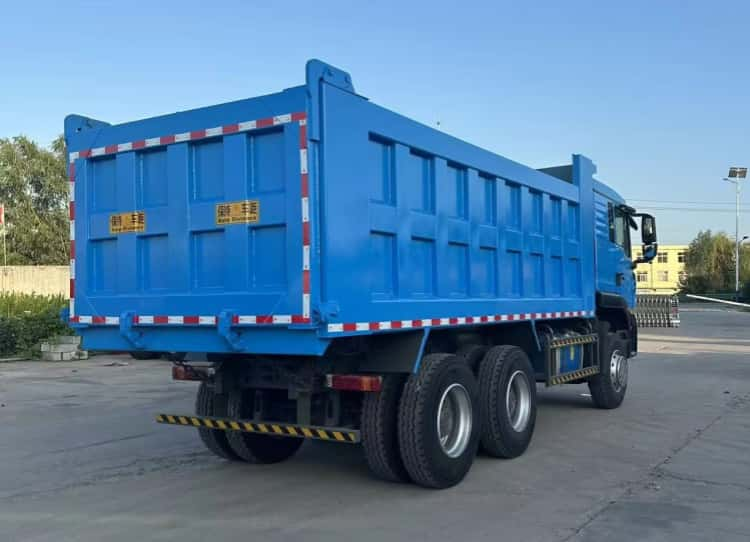
Engine Inspection Guide
Engine inspection validates the qualified reman truck rebuild quality, dimensional compliance and OEM-level performance. Static inspection must be followed by dynamometer bench test and cold/hot running test.
Pre-assembly component inspection records (review documents first)
- Full disassembly and industrial cleaning completed
- NDT (UT/MT) for cylinder block, crankshaft, connecting rod, cylinder head to detect fatigue cracks
- Precision dimensional measurement: cylinder bore, crank journal roundness, valve seat geometry, bearing housing tolerance
- Confirm all fatigue consumables replaced: bearings, piston rings, gaskets, oil seals, valve stem seals, filters, timing dampers
Static visual & leak inspection
- Check engine block, head, oil cooler, fuel and coolant passages for leakage after pressure test.
- Turbocharger inspection: no shaft play, oil leakage or damaged blades; bench test record required.
- Fuel injection system: injectors, high-pressure pump and pressure regulator calibrated; injector test report available.
- Cooling system: radiator, water pump and thermostat fully tested; no internal corrosion or blockage.
Dynamometer bench test (mandatory for qualified reman)
- Verify rated power, torque curve matches OEM specification
- Monitor oil pressure, coolant temperature, exhaust temperature across idle, partial and full load
- Check exhaust smoke, compression balance across all cylinders
- Log all data into VIN-linked engine report; reject if parameters deviate outside OEM tolerance.
On-vehicle running test
- Cold start test: stable cold startup without excessive white/blue smoke
- Idle stability, no abnormal knocking, ticking or mechanical noise
- No oil, fuel or coolant leakage after continuous running
- ECU fault code scan: no permanent active fault codes
Engine documentation checklist
- NDT inspection reports for critical castings
- Dimensional measurement log
- Dynamometer test curve and bench report
- Component serial number traceability list
- Fuel injector and turbo test records
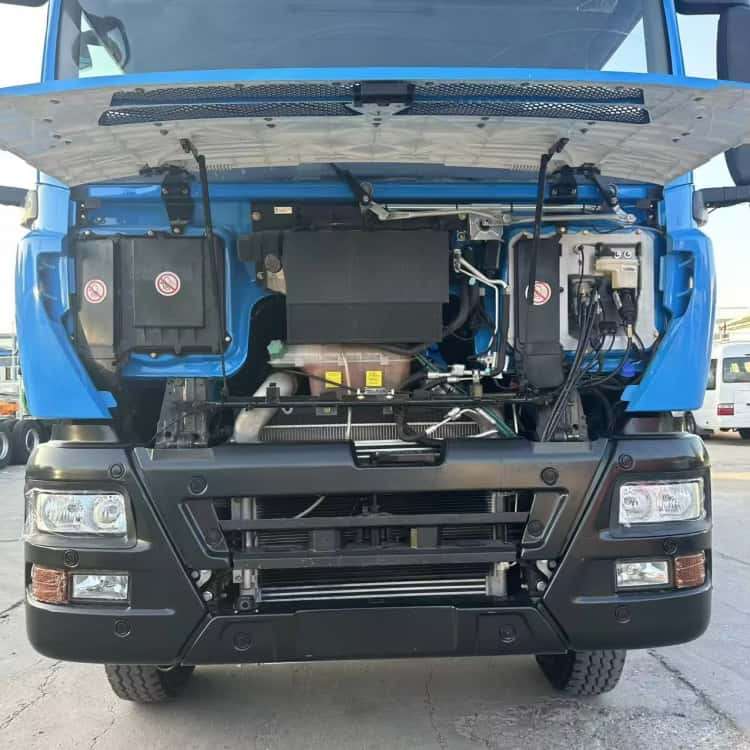
Chassis Inspection Guide
Chassis inspection is the highest safety priority. Frame structural integrity, corrosion treatment, welding quality and suspension / brake system are core audit items.
Main frame & cross-member structural inspection
- Ultrasonic thickness measurement of main beam and cross members to confirm remaining steel thickness meets OEM minimum requirement.
- NDT ultrasonic and magnetic particle testing on high-stress zones: spring hanger brackets, U-bolt holes, fifth wheel mounting points, welded reinforcement plates.
- Frame straightness check: correct bending or twisting with frame jig if out of tolerance.
- Any reinforcement welding must follow WPS/PQR welding procedure specification; post-weld NDT re-inspection mandatory.
- Reject chassis with through corrosion, major cracks or unrepaired frame deformation.
Rust removal & anti-corrosion coating inspection
- Confirm abrasive blast cleaning to bare steel (Sa2.5 standard), no paint applied over trapped rust.
- Multi-layer coating: epoxy primer + intermediate coat + heavy-duty polyurethane topcoat.
- Verify coating thickness on frame flanges, inner surfaces and welded areas.
Driveline, axle & suspension inspection
- Axle housings NDT checked; axle bench test for gear noise, oil leakage and bearing preload.
- Leaf springs, air suspension, shock absorbers, U-bolts and brackets inspected; cracked or fatigued springs replaced.
- Driveshaft: runout measurement, universal joint inspection, balance test.
Brake & steering system inspection
- Air brake system leak test, full-load brake performance test meeting ECE R13 or local safety standard.
- Brake chamber, air valves, air tanks, hoses and brake linings inspected; worn fatigue parts replaced.
- Steering gear and tie rod inspection: free play within OEM limit, no cracks on steering knuckles.
Hydraulic system (tipper / mixer chassis)
- Pressure holding test for hydraulic cylinders, pumps and valves.
- All aging hoses and seals replaced; test for external and internal leakage.
Chassis documentation checklist
- Frame thickness measurement report
- NDT reports for frame, cross members and reinforcement welds
- Welding procedure qualification WPS/PQR
- Axle bench test report
- Brake system performance test record
- Anti-corrosion coating inspection log
Integrated Final PDI & Road Test
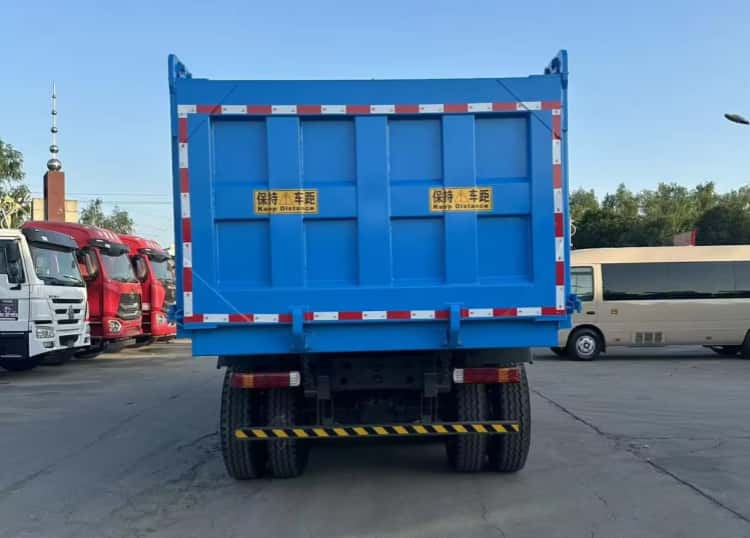
After cab, engine and chassis assembly, complete whole-qualified reman truck pre-delivery inspection and loaded road test:
- Full vehicle scan for ECU fault codes
- Check all fluid levels, leak inspection
- Road test under simulated load: acceleration, braking, cornering, vibration and noise check
- Record all findings into VIN-bound PDI report
Common Fail Points & Red Flags
- Cab: Repaired crash structure without NDT; blocked drainage holes; reused aged hydraulic hoses
- Engine: No dynamometer test; reused bearings / seals; missing NDT reports for crankshaft or block
- Chassis: Rust painted over without blasting; frame cracks hidden by paint; unqualified field welding without post NDT
Documentation Rule
- All qualified reman truck inspection records must be uniquely bound to the vehicle VIN.
- Generic templates without matched serial numbers and inspector signatures are not accepted as qualified remanufacturing proof.
Conclusion
Qualified reman truck inspection is a three-part system: cab structural safety and functional validation, engine OEM-spec rebuild with dynamometer proof, and chassis structural NDT plus corrosion treatment.
Cosmetic restoration is secondary. Fleet inspectors and third-party surveyors must verify physical condition together with full qualified reman truck traceable technical documents to confirm genuine qualified remanufacturing quality and filter out simple refurbishment.