
Depreciation Rate Analysis: Verified Reman Trucks And Second-Hand Trucks
Depreciation represents one of the largest hidden costs for heavy truck fleets. Many buyers only compare purchase prices and overlook how asset value declines year by year.
Verified reman trucks and second-hand trucks with similar buying prices can end up with drastically different residual values when resold at the end of a project cycle. This analysis breaks down depreciation patterns, root causes and real-world value retention between verified reman trucks and ordinary second-hand trucks.
Core Difference in Depreciation Logic
- Ordinary second-hand trucks carry depreciation driven by unknown risks. Buyers in the secondary market cannot confirm prior overload records, accident history, hidden frame fatigue or internal powertrain wear. Every year, uncertainty amplifies value loss.
- Verified reman trucks follow a different depreciation curve. The base chassis has already absorbed the steep early depreciation of a new truck. Industrial remanufacturing restores core assemblies to OEM tolerances, while complete inspection logs and official certification remove quality uncertainty. Depreciation still occurs with usage, but the rate is slower and more predictable.
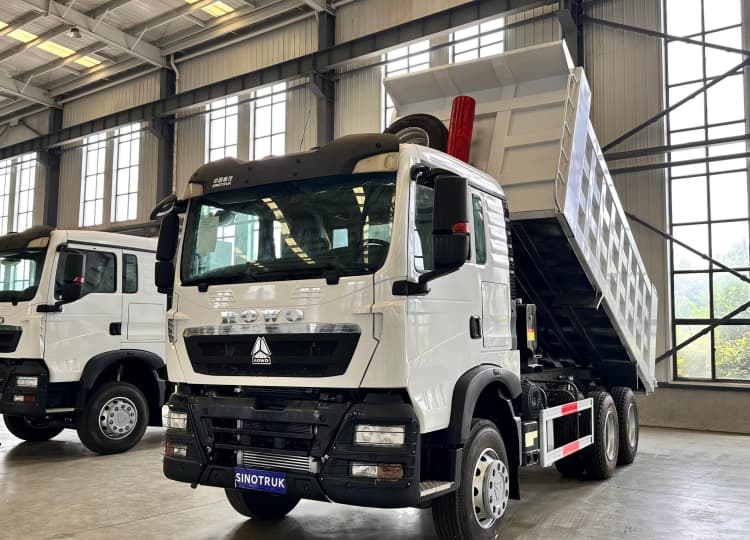
Yearly Depreciation Curve Breakdown
Ordinary Second-Hand Trucks
- Year 1 after purchase: Fast value drop. Unknown mechanical risks start to surface, pushing market value down rapidly.
- Year 2–3: Accelerated depreciation. Major component wear may trigger breakdowns. Buyers discount heavily for unproven reliability.
- Year 4–5: Sharp residual value collapse. Without service or inspection records, these units become hard to sell and are often priced for scrap or low-value export markets. Total value loss over 5 years is substantial, and residual value is volatile.
Verified Reman Trucks
- Year 1 after purchase: Mild depreciation. The reman certification and full test records support stable valuation.
- Year 2–3: Slow, linear value decline. Predictable maintenance and proven system reliability limit steep discounts.
- Year 4–5: Gradual depreciation rather than sudden value crash. Complete reman documentation proves component condition, attracting serious buyers in the used heavy vehicle market. Depreciation is steady and easier to forecast for fleet financial planning.
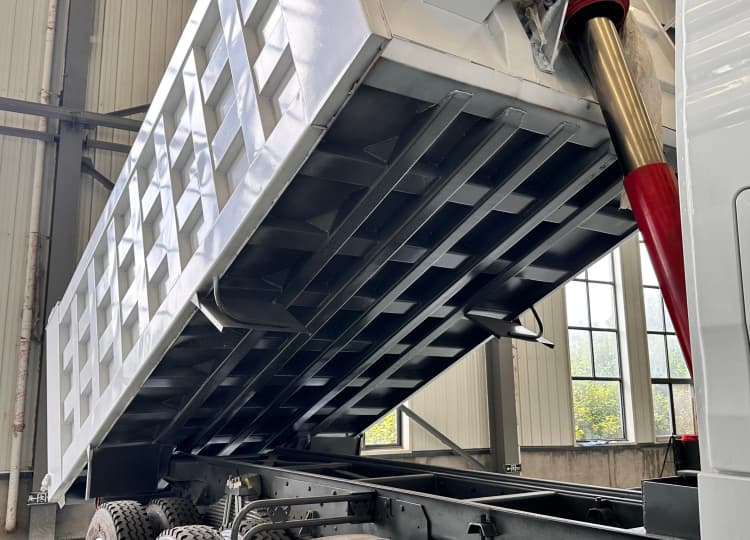
Key Factors That Slow Depreciation of Verified Reman Trucks
- Traceable reman archive Full records of chassis inspection, component replacement, bench testing and post-reman functional validation. Future buyers can audit quality without guesswork.
- System-level restoration to OEM standards Critical assemblies including engine, transmission, axles, brakes and hydraulics are regenerated or replaced. Latent faults are eliminated before delivery, reducing perceived risk.
- Clear quality certification Formal reman certification differentiates these units from rough repaired trucks. The certificate acts as credible proof during resale.
- Known component service life The reman report lists renewed parts, so potential buyers understand remaining usable life of core systems. This reduces pricing discounts caused by unknown wear.
Factors That Speed Up Depreciation of Ordinary Second-Hand Trucks
- Unverified usage history No reliable records to confirm past overloads, site abuse or collision damage. Suspicion of hidden defects automatically lowers resale offers.
- Unknown internal wear External appearance tells little about engine wear, frame microcracks or aging wiring. Hidden failures create heavy risk discounts.
- No standardized inspection records A simple wash and repaint cannot prove mechanical integrity. Secondary buyers assume the worst-case condition and offer far less.
- Uncertain remaining service life It is impossible to accurately judge how much life remains for powertrain and hydraulic parts. This uncertainty accelerates value depreciation.

Impact on Fleet Total Cost of Ownership
When calculating TCO, the resale value at asset exit directly offsets your original investment.
- For ordinary second-hand trucks, the low residual value often erases the savings gained at the time of purchase. A cheap buying price may turn into poor financial performance after accounting for depreciation.
- For verified reman trucks, the slightly higher upfront cost compared with casual second-hand units is partially recovered at resale. Slower depreciation reduces the net loss over the holding period, improving long-term ROI for project-based fleets.
Practical Guidance for Fleet Asset Planning
When building fleet asset rotation plans, do not rely only on upfront price. Factor depreciation rates and residual value into your budget model.
- For 3–5 year mining and construction projects, verified reman trucks deliver more predictable depreciation and better resale outcomes.
- If purchasing ordinary second-hand trucks, prepare for steep, unpredictable value loss and difficulty in asset liquidation.
- Keep all reman certification and inspection documents intact throughout ownership. These files are critical to preserve resale value.

Conclusion
The depreciation gap between verified reman trucks and ordinary second-hand trucks comes down to risk transparency.
- Ordinary second-hand trucks depreciate faster because buyers cannot confirm their real mechanical condition.
- Verified reman trucks slow depreciation through standardized regeneration, full test records and formal certification.
For fleet operators, predictable depreciation and stronger residual value make Verified reman trucks a more reliable choice when calculating full-lifecycle costs.