
Remanufactured Truck Maintenance & Repair Tips
Remanufactured Truck Maintenance Introduction
Remanufactured heavy trucks from Reman Road deliver near-new reliability at a cost-friendly price for global fleets. Unlike brand-new vehicles, reman trucks have undergone complete disassembly, component overhaul and standardized testing. To extend service life, cut breakdown risks and safeguard your investment, targeted regular remanufactured truck Maintenance and standardized repair practices are essential. This guide shares practical, actionable maintenance tips for SINOTRUK HOWO and SHACMAN reman dump trucks, tractors, mixers and cargo trucks.
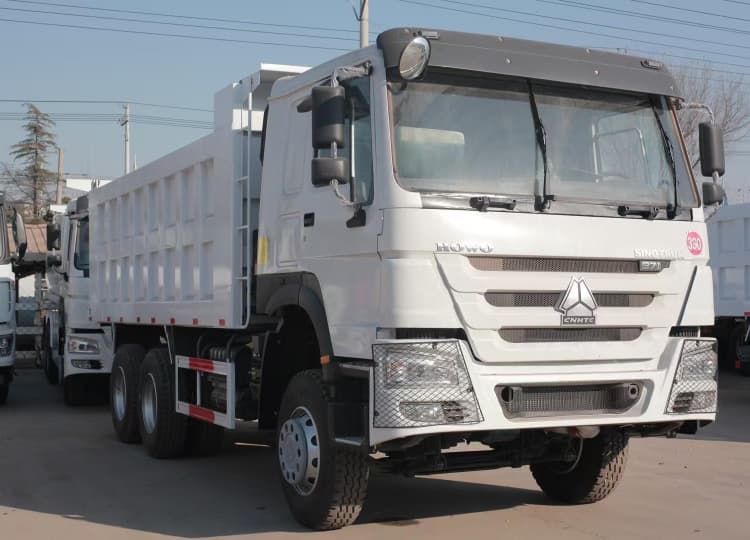
Daily Pre-Departure Inspection (5-Minute Routine)
Daily checks eliminate sudden road failures and protect remanufactured core parts like overhauled engines, axles and transmissions.
- Fluid Level Check: Verify engine oil, coolant, brake fluid and hydraulic oil. Remanufactured engines require strict oil level control; low oil causes rapid wear of rebuilt crankshaft and cylinder components.
- Tire & Chassis Scan: Inspect tire pressure, cracks and rim tightness. Our reman chassis undergoes correction during production, loose wheel hubs will distort the calibrated frame.
- Brake & Electrical Test: Test service brakes, emergency brake, lights and horn. Rebuilt brake chambers rely on stable air pressure, any air leakage must be fixed before transport.
- Cargo Body & Tank Check: For dumpers, mixers and tankers, check welding seams and sealing gaskets to avoid leakage or structural deformation.
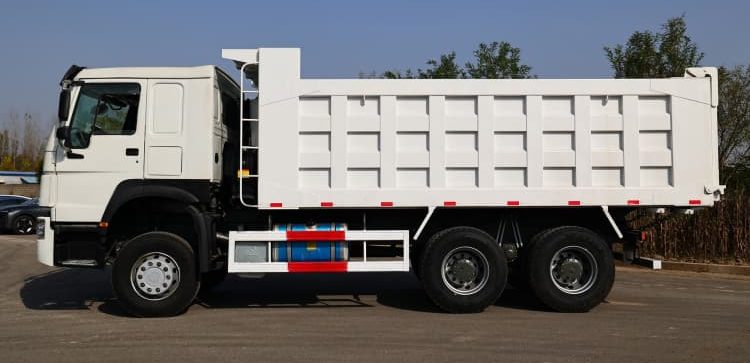
Scheduled Periodic Maintenance (Follow Reman Road Standard Cycles)
All Reman Trucks carry full overhaul records with recommended maintenance intervals based on mileage and working conditions:
Reman Truck Short-cycle maintenance (every 5,000 km)
- Replace engine oil and oil filter, clean air filter. Dust from mining/construction roads clogs filters quickly, which reduces power of remanufactured engines.
- Tighten chassis fasteners, lubricate leaf springs and steering joints.
Medium-cycle maintenance (every 20,000 km)
- Replace fuel filter, water separator and brake oil. Clean fuel injectors refurbished during remanufacturing to prevent power drop.
- Inspect clutch, transmission and differential oil; these key assemblies are fully rebuilt, contaminated oil shortens their service life drastically.
Long-cycle overhaul check (every 80,000 km)
- Complete inspection of engine valve clearance, turbocharger and exhaust system.
- Test tank pressure, mixer rotating system or dump hydraulic cylinders, replace aging sealing kits.
- Full brake system disassembly check, replace worn brake pads and air chamber diaphragms.
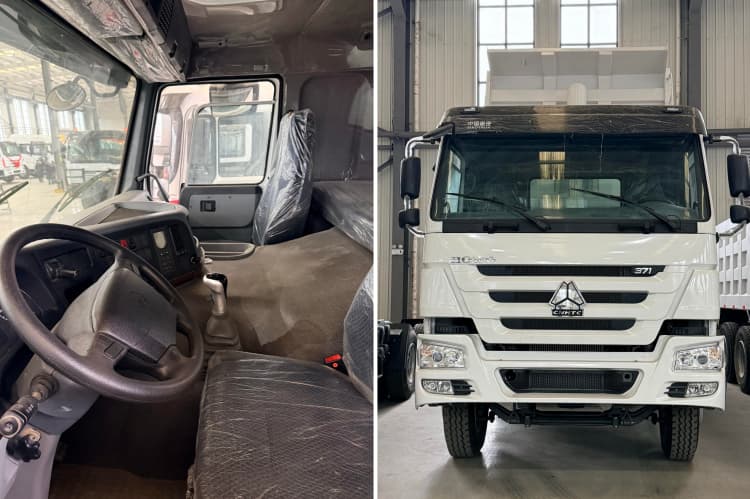
Core Remanufactured Component Special Care
The biggest value of Reman Truck lies in professionally rebuilt core parts; improper care will void consistent performance:
- Remanufactured Engine
Use only high-quality engine oil matching OEM specs. Avoid overloading or long-time idling, which creates extra heat and damages refurbished cylinder liners. Never mix low-grade fuel, as it causes injector blockage.
- Rebuilt Transmission & Rear Axle
Do not shift gears harshly under heavy load. Change gear oil on schedule; metal impurities in old oil will scratch polished rebuilt gear surfaces.
- Refurbished Hydraulic System (Dump/Mixer/Tanker)
Avoid overloading beyond the truck’s rated tonnage. After long work cycles, let the hydraulic system cool before shutdown to prevent high-temperature seal aging.
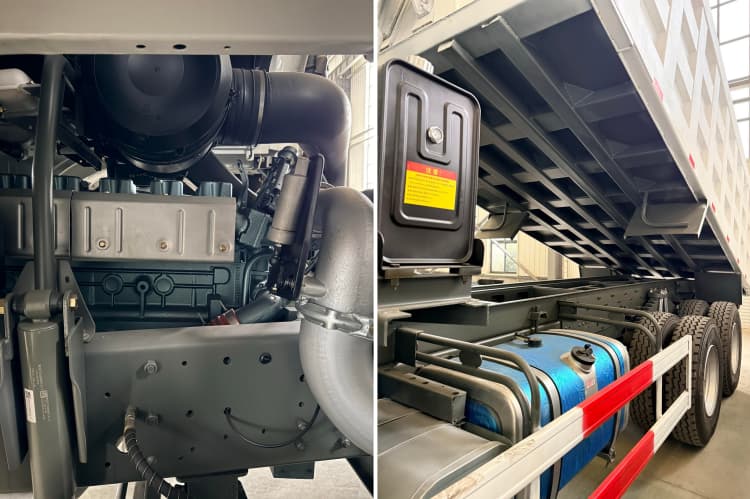
Standardized Repair Guidelines
When faults occur, follow Reman Road’s transparent remanufactured truck repair principles to avoid secondary damage:
- Trace Original Rebuild Records: Every Reman Truck has complete remanufacturing test files. When repairing, reference component replacement and testing data to target faults quickly.
- Use OEM-Grade Replacement Parts: Match the standard of our remanufacturing workshop; cheap inferior accessories will create mismatches with rebuilt assemblies and trigger repeated failures.
- Avoid Unauthorized Disassembly: Complex core assemblies (engine, gearbox, axle) should only be disassembled by certified heavy truck technicians. Random disassembly breaks the precise clearance calibrated during remanufacturing.
- Record All Repairs: Log every repair, replaced parts and service date. This keeps full lifecycle traceability, consistent with Reman Road’s core value of transparency.
Seasonal & Harsh Working Condition Adjustments
Most Remanufactured Trucks serve African mining, construction and cross-border logistics with extreme working environments:
- High-temperature regions: Increase coolant inspection frequency, clean radiator dust weekly to prevent reman engine overheating.
- Dusty mining sites: Shorten air filter replacement cycles by half to block abrasive dust from entering the engine.
- Rainy/muddy roads: Frequently wash chassis and check rust on reman-repaired frame sections; reapply anti-rust coating if paint peels off.
Reman Truck Long-Term Storage Maintenance Tips
If the truck stops operation for over 30 days:
- Drain excess fuel and replace old engine oil before storage to avoid oil deterioration corroding rebuilt internal engine parts.
- Inflate tires to standard pressure, lift the chassis to reduce long-term tire compression deformation.
- Disconnect the battery, cover the engine, cab and cargo body to block dust and moisture.
- After storage, complete a full fluid replacement and road test before formal cargo transport.
Reman Truck Conclusion
Reman Road builds every Remanufactured Truck with trust, transparency and strict quality standards. Scientific daily maintenance and standardized repair not only maximize the service life of your remanufactured heavy truck, but also lower long-term operation costs for your fleet. By following these targeted maintenance tips, you can keep your SINOTRUK HOWO and SHACMAN reman trucks running stably in mining, logistics and construction scenarios, achieving reliable, cost-efficient transport for your business.