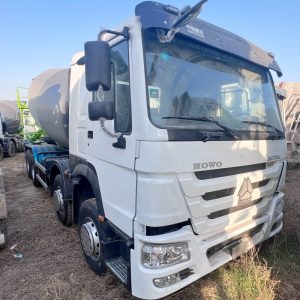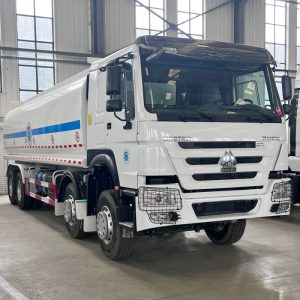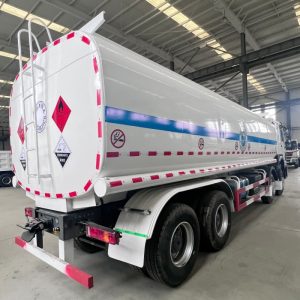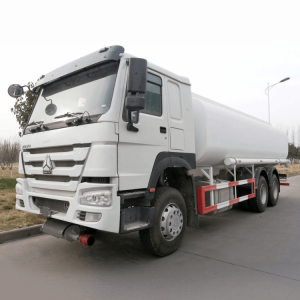
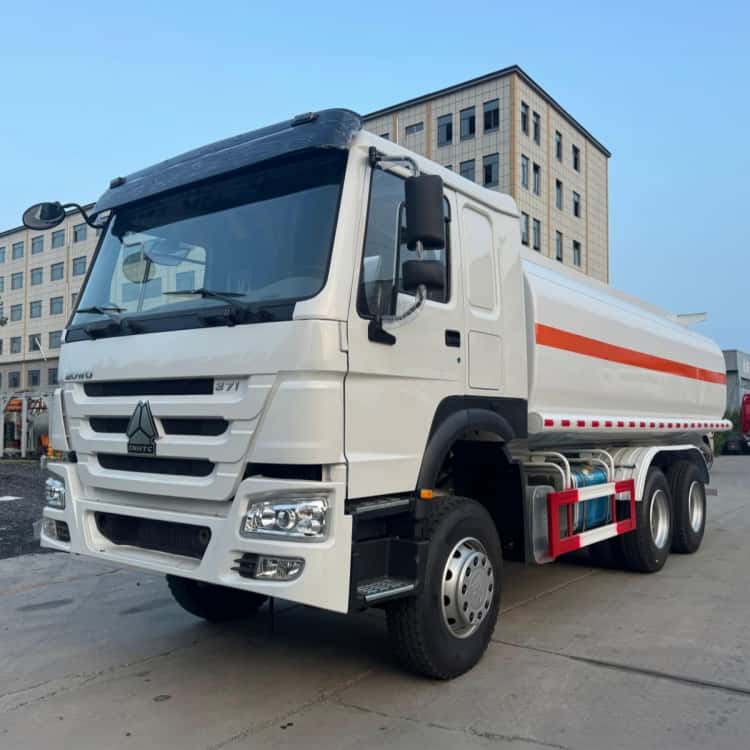
Reman Howo 371 6×4 Diesel Tanker Truck
Designed on classic Howo heavy‑duty chassis, this REMAN ROAD reman diesel tanker truck features corrosion‑resistant tank body and upgraded leak‑proof pipelines. It is a practical transport solution for mining zones, remote construction sites and regional fuel distribution.
Reman Diesel Tanker Truck Description:
- Different from surface‑refurbished second‑hand tank trucks, this REMAN ROAD reman Howo fuel tank truck follows standardized industrial remanufacturing specifications.
- Every core mechanical component is graded, repaired or swapped for new replacements. The tanker body is thoroughly cleaned internally to eliminate residual fuel contaminants, then re‑welded and pressure‑tested to rule out hidden leakage risks. Brake, steering and exhaust systems are fully overhauled for improved driving safety.
- REMAN ROAD reman diesel tanker truck provides almost new‑truck reliability at a much lower acquisition cost, making it a solid long‑term asset for fuel logistics operators.
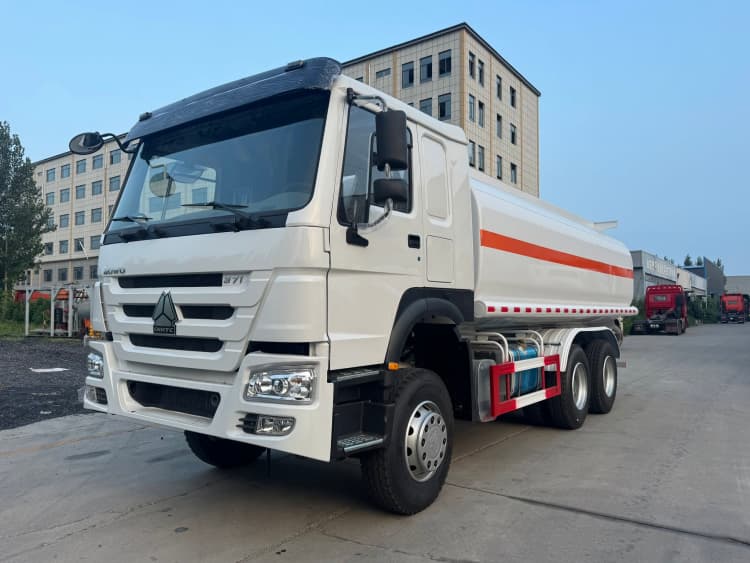
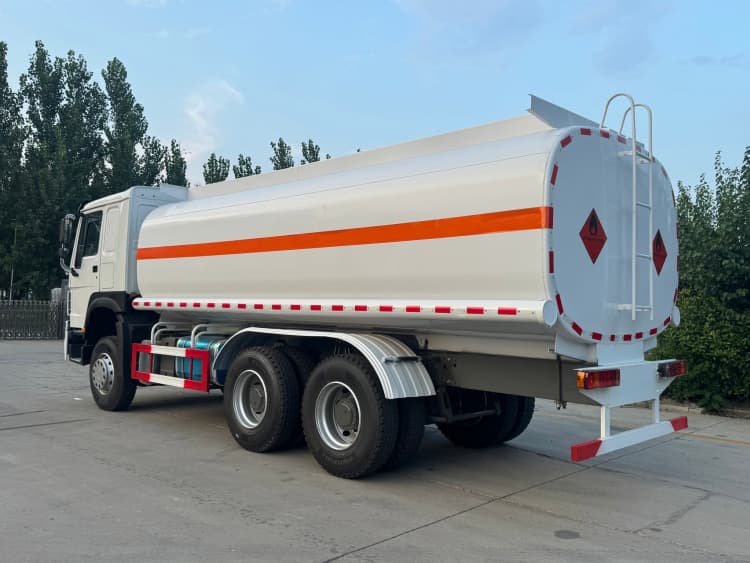
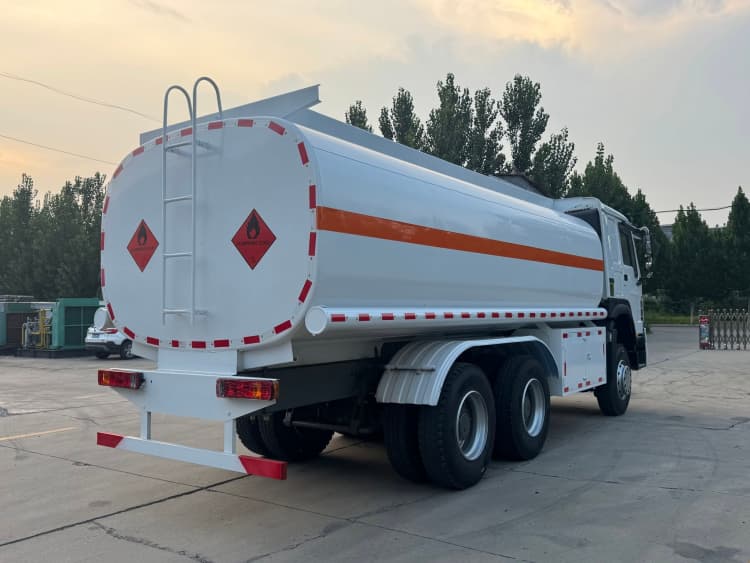
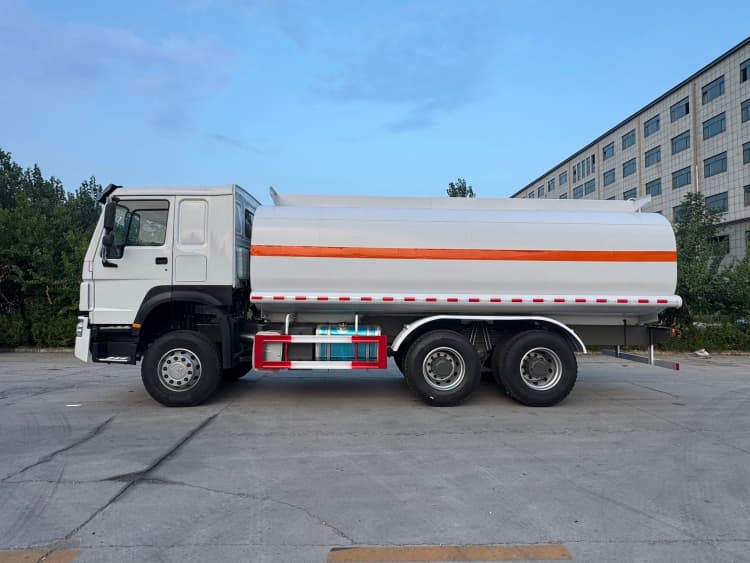
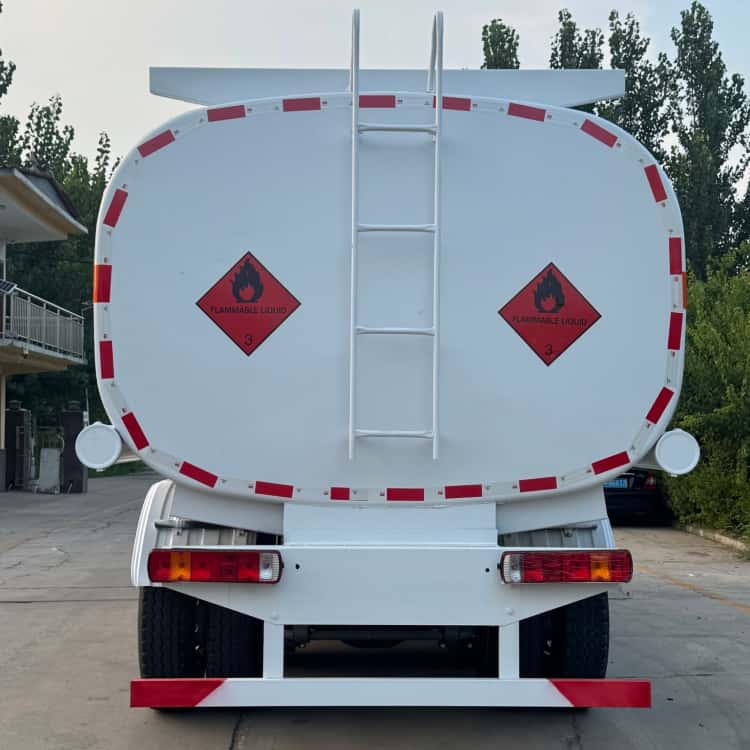
Specification Table:
- Name: Reman Howo Fuel Tank Truck 371 6×4
- Drive Type: 6×4; ultrasonic fatigue inspection on main frame and cross‑members
- Engine: Remanufactured diesel engine, power 371HP, disassembled, worn parts replaced, bench tested
- Gearbox: Remanufactured manual transmission, full inspection & lubricant renewal
- Axles: Heavy‑duty remanufactured rear axles, gear oil replaced, backlash calibrated
- Fuel Tank Volume: 20‑25 CBM carbon steel tanker, hydrostatic pressure tested, anti‑corrosion coating applied
- Safety Accessories: Emergency shut‑off valve, anti‑static strap, overflow prevention port, fire extinguisher bracket, all renewed
- Tires: 12.00R20, inspected; worn tires replaced with new/retread qualified tires
- Cab: HOWO sleeper cab, rust‑proof repainted, wiring checked, interior cleaned, all electric functions tested
- Braking System: WABCO‑style brake overhauled, all air‑valve components renewed, full air‑tightness test
Tanker Truck Reman Workflow:
- Step 1: Comprehensive incoming audit & risk screening
We run initial road tests, scan chassis history and conduct non‑destructive inspection on the old fuel tank to rule out irreparable crack or heavy‑corrosion frames unsuitable for remanufacturing. - Step 2: Full disassembly and hazardous cleaning
The tanker is completely drained and chemically cleaned inside to remove leftover fuel residues; then the whole vehicle is stripped into separate chassis, powertrain, tank body and accessory groups. - Step 3: Component grading, repair and renewal
Every mechanical spare part is tested. Defective engine, brake and steering components get repaired or swapped for new parts. The fuel tank receives weld repair, wall‑thickness reinforcement and multi‑layer anti‑corrosion treatment. - Step 4: Re‑assembly and system‑wide calibration
Rebuild chassis, install renewed fuel valves, pipelines and all safety fittings; calibrate engine output, brake responsiveness and tank sealing performance. - Step 5: Multi‑layer safety verification and final acceptance
Carry out hydrostatic pressure leakage testing for the tank, loaded road trials, full air‑tightness brake inspection and static anti‑safety test before delivery.
New VS Used VS Refurbished VS Reman Diesel Tanker Truck
- Brand‑new fuel tanker delivers peak reliability and full factory warranty yet requires the largest initial investment and often long production waiting periods.
- Second hand used tanker is cheap to buy but carries hidden risks including internal tank rust, unseen micro‑cracks and worn powertrain parts, with no systematic inspection standard.
- Refurbished tanker truck usually receives surface repainting, minor part fixes and tank cleaning, without full disassembly of core chassis assemblies, leaving deep‑rooted mechanical faults untouched.
- By contrast, REMAN ROAD reman diesel tanker truck goes through complete vehicle tear‑down, component‑by‑component assessment, targeted renewal of worn assemblies, tank pressure safety testing and full‑vehicle performance validation.
REMAN ROAD reman howo fuel tank truck achieves near‑new‑truck reliability at a mid‑range price, eliminating most hidden dangers of second‑hand tank trucks and represents the best balanced long‑term investment choice for fuel‑transport operators.
Why Choose Reman Diesel Tanker Truck?
- Superior safety guarantee for liquid cargo
Every reman lorry tanker undergoes pressure and weld inspection, all old leak‑prone sealing parts are replaced, greatly lowering fuel spill risks compared with ordinary second‑hand tankers. - Remarkable upfront capital savings
The acquisition cost is far below a brand‑new fuel tanker, allowing fleet owners to add more transport assets within limited budgets. - Restored core‑component reliability
Engine, gearbox and axles are fully disassembled and repaired to near‑new performance standards, not just simple exterior repainting. - Shorter lead‑time for delivery
Reman howo tanker truck can be shipped much faster than waiting for long production cycles of new‑built custom tank trucks. - Strong after‑sales maintainability
REMAN ROAD reman diesel fuel tanker truck retains original Howo parts compatibility, spare‑part supply channels are mature and easily accessible in most overseas markets. - Lower environmental footprint
Re‑uses the durable original chassis, cuts raw‑material consumption and carbon emissions generated during new truck manufacturing.
Common Risk‑Avoidance Tips For Buyers
- Many second‑hand fuel tankers on the market hide severe internal tank rust, invisible weld cracks or aged rubber sealing rings.
- These defects are not visible from outer appearance but may trigger fuel leakage, fire risks or cargo contamination during operation.
- When purchasing a fuel tanker, buyers should prioritize vehicles with documented tank pressure‑test reports, complete overhaul records for braking systems and full remanufacturing inspection files, rather than only judging vehicle condition based on exterior paint finish.